
Temperature mapping is a formal qualification requirement across FDA, EU GMP, WHO, and USP frameworks, and the bar for defensible results is higher than data collection alone. Performance Validation delivers GDP- and GMP-compliant studies across warehouses, cold rooms, freezers, stability chambers, and controlled distribution environments globally, with audit-ready reporting built in as standard.
Temperature Mapping’s Role in Pharma & GMP Operations
Temperature mapping is the systematic placement of calibrated sensors throughout a controlled environment to characterize the thermal distribution and identify where conditions are most likely to fall out of spec. In pharmaceutical and GMP operations, that characterization has to be defensible. PV designs every study around your specific environment, products, and regulatory requirements so that placement rationale, execution traceability, and deviation resolution are built-in from the start.
Your Experts for Any Temperature Mapping Situation
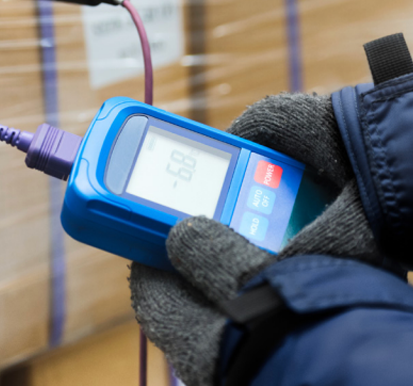
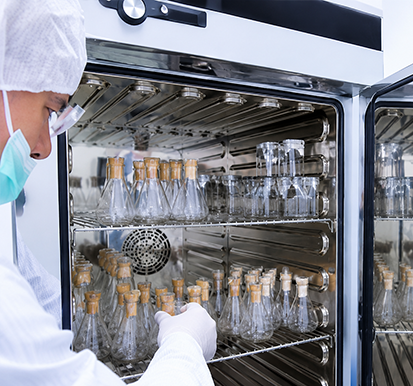
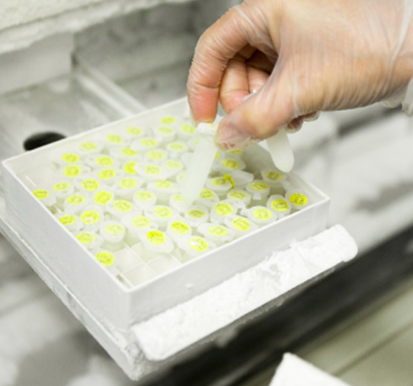
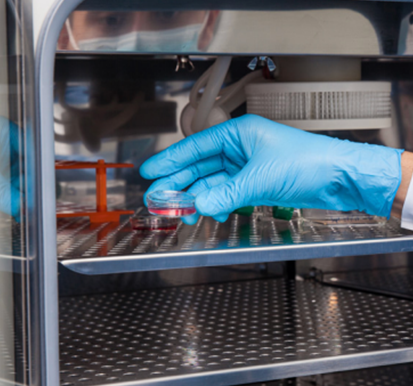
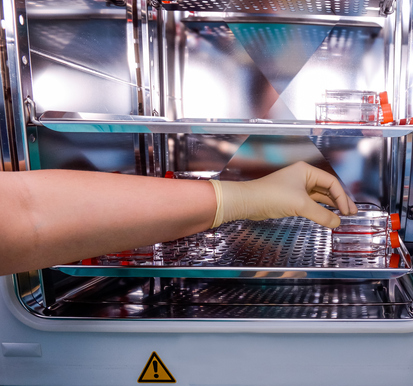
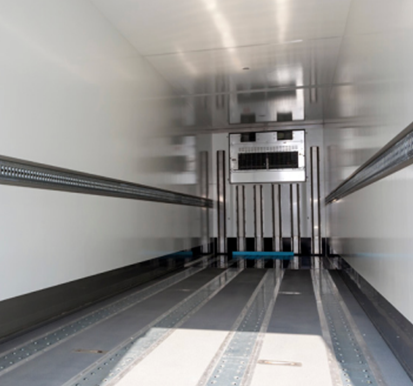
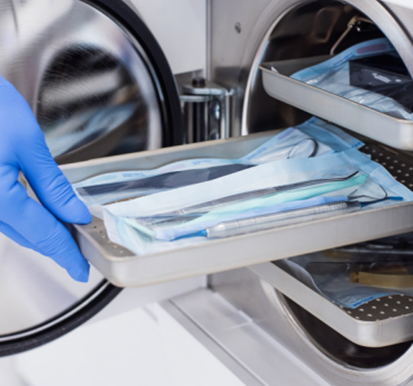
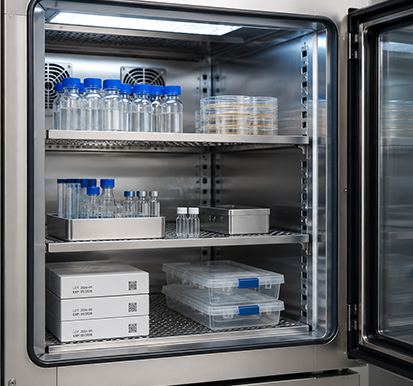
Every controlled environment presents different thermal behavior, and the study design has to reflect that. PV executes temperature mapping across the full range of environments, including pharmaceutical and biotech manufacturing, 3PLs and distribution centers, clinical supply and stability storage, and medical device operations.


Delivery Models
PV offers three delivery models structured around your internal resources, regulatory requirements, and project timeline.
For clients seeking a hands-off approach, our Full-Service solution provides comprehensive support from start to finish. This option is ideal for organizations with limited internal resources or those who prefer in-person oversight by experienced PV professionals. Key benefits include:
- Comprehensive Management: PV handles the planning, installation, and removal of data loggers while guiding any necessary dynamic activities at your facility.
- Expert Oversight: Our team ensures proper execution of the temperature mapping study, giving you confidence in the results.
- Turnkey Solution: A hassle-free option tailored to meet your specific needs.
Our Remote Service delivers expert guidance with cost efficiency, making it an ideal solution for clients seeking flexible and reliable project support. With this option, you benefit from:
- Expert Protocol Development: We work with you to develop and approve a comprehensive temperature mapping protocol.
- Minimal On-Site Effort: Sensors are shipped to your location with clear placement instructions, reducing the need for extensive on-site coordination.
- Professional Analysis and Reporting: Once the study is complete, you return the sensors to us, and our experts handle data analysis and generate a detailed summary report.
For organizations with in-house temperature mapping expertise or those looking to supplement their existing systems, our Equipment Rental service provides the tools you need to conduct your own studies with ease. This option offers:
- Access to Reliable Equipment: A flexible inventory of calibrated and validated data loggers ensures you have the tools required for regulatory compliance.
- Tailored Flexibility: Rent the equipment you need for your specific application and project timeline.
- Cost-Effective Solutions: Ideal for clients who prefer a do-it-yourself approach while maintaining high standards.
Temperature Mapping Compliance: FDA, GMP, GDP & Beyond
Pharmaceutical storage and distribution environments operate under multiple regulatory frameworks, and documentation that satisfies one agency does not automatically satisfy another. PV designs every study to align with the specific standards governing your facility and delivers audit-ready documentation structured to withstand inspection.
Frameworks PV routinely designs against include:
- ICH Q9
- FDA
- GMP
- GDP
- USP
- WHO
- 21 CFR Part 11
PV’s Temperature Mapping Process
Every study begins with a review of the environment, its regulatory classification, the products or materials stored, and any prior qualification history. PV uses this assessment to inform sensor count, placement strategy, and acceptance criteria before equipment is deployed.
Placement is based on an engineering understanding of the space. PV accounts for airflow patterns, heat-transfer characteristics, door locations, HVAC supply and return positions, and load configuration to identify the locations most likely to represent worst-case thermal conditions.
PV deploys calibrated data loggers per the approved protocol for the required duration under specified load and operational conditions. Digital protocols and electronic data capture maintain full traceability from placement through retrieval.
Collected data is analyzed to characterize temperature distribution, identify excursions, and determine worst-case locations. Where deviations occur, PV investigates the root cause and documents resolution per the protocol and applicable regulatory expectations.
PV delivers a structured summary report covering study design, execution, results, and recommendations. We write reports for regulatory review, with full supporting data, deviation records, and actionable conclusions.
Seasonal Temperature Mapping for GDP Compliance
Controlled environments don’t perform the same year-round. GDP and WHO guidance require documented evidence that your facility maintains specifications at both seasonal extremes, and PV executes studies scoped to capture both.
Peak ambient heat loading tests HVAC capacity and building envelope performance in ways normal operating conditions don’t. PV conducts warehouse summer mapping studies to characterize worst-case thermal behavior during high-temperature periods, giving you documented evidence of specification conformance at peak demand.
Cold ambient exposure and door cycling in shipping and receiving create thermal stress points that summer studies won’t capture. PV designs winter mapping validation studies around those conditions, with sensor placement and study timing aligned to worst-case cold-season performance.
For facilities requiring documented coverage at both extremes, PV coordinates summer and winter studies into a single qualification record, with documentation that supports GDP compliance and audit readiness throughout the annual cycle.
Your Partner for Precise Temperature Mapping
PV engineers understand thermal behavior in every environment they work in and translate it into placement decisions, deviation analysis, and documentation built to withstand scrutiny. With one of the largest calibrated data logger inventories in the industry, PV supports rapid deployment across multi-site programs and requalification schedules, with integrated CQV expertise across your entire thermal lifecycle.
Temperature Mapping Services FAQs
Temperature mapping is the process of placing calibrated sensors throughout a controlled storage or distribution environment to characterize temperature distribution and identify areas of risk. In pharmaceutical applications, it is a formal qualification activity conducted under a documented protocol, with results used to demonstrate regulatory compliance and support ongoing monitoring programs.
Requalification frequency depends on the applicable regulatory framework and what has changed since the last study. Facilities should remap following significant changes to the building envelope, HVAC system, or storage configuration, and when seasonal qualification requirements apply. Periodic requalification intervals are typically defined in the site’s validation master plan.
Temperature mapping requirements appear in FDA guidance for pharmaceutical storage and distribution, EU GMP Annex 15, WHO Technical Report Series guidelines, USP general chapters, and GDP standards for temperature-controlled distribution. Documentation and study design expectations differ between frameworks.
A complete study includes a written protocol that covers the rationale for sensor placement, acceptance criteria, and any required dynamic activities. Execution produces field records and raw data. The final report documents temperature distribution, worst-case sensor locations, deviation investigation where applicable, and operational recommendations.
Seasonal temperature mapping involves studies conducted under both warm- and cold-season ambient conditions to confirm that a facility remains compliant across the full range of annual temperatures. GDP and WHO guidance specifically require this for temperature-controlled distribution environments.
Sensor count is determined by the size and configuration of the space, the applicable regulatory framework, and a risk-based assessment of how thermal variation is expected to distribute across the environment. PV does not apply fixed counts by square footage; placement is based on engineering analysis of each specific space.
Any controlled environment used to store or distribute pharmaceutical products, biologics, clinical materials, or medical devices where temperature is a specified storage condition may require mapping. This includes warehouses, cold rooms, refrigerators, freezers, stability chambers, incubators, transport vehicles, cleanrooms, and automated storage systems.
Temperature monitoring is the ongoing measurement of temperature at defined locations within a controlled environment. Temperature mapping is a qualification activity that characterizes distribution throughout the entire space and determines where monitoring sensors should be placed. Mapping informs monitoring; monitoring does not substitute for it.
PV delivers qualification documentation structured to the applicable validation framework. For studies conducted as part of a broader qualification program, PV can support OQ and PQ documentation aligned with FDA, EU GMP, and USP expectations. Scope is confirmed during project kickoff.
Yes. GDP compliance for temperature-controlled distribution requires documented evidence that storage and transport conditions have been characterized and validated. Temperature mapping studies conducted to WHO and GDP standards, with appropriate seasonal coverage and audit-ready documentation, directly support those requirements.
Related Content