Validation teams today face growing pressure from multiple directions. As organizations evaluate the benefits of digital validation, product timelines are tighter, regulatory expectations are more explicit, and teams are often distributed across sites and time zones. At the same time, traditional validation approaches remain heavily document driven, manual, and resource intensive. Digital validation addresses these challenges by transforming how […]
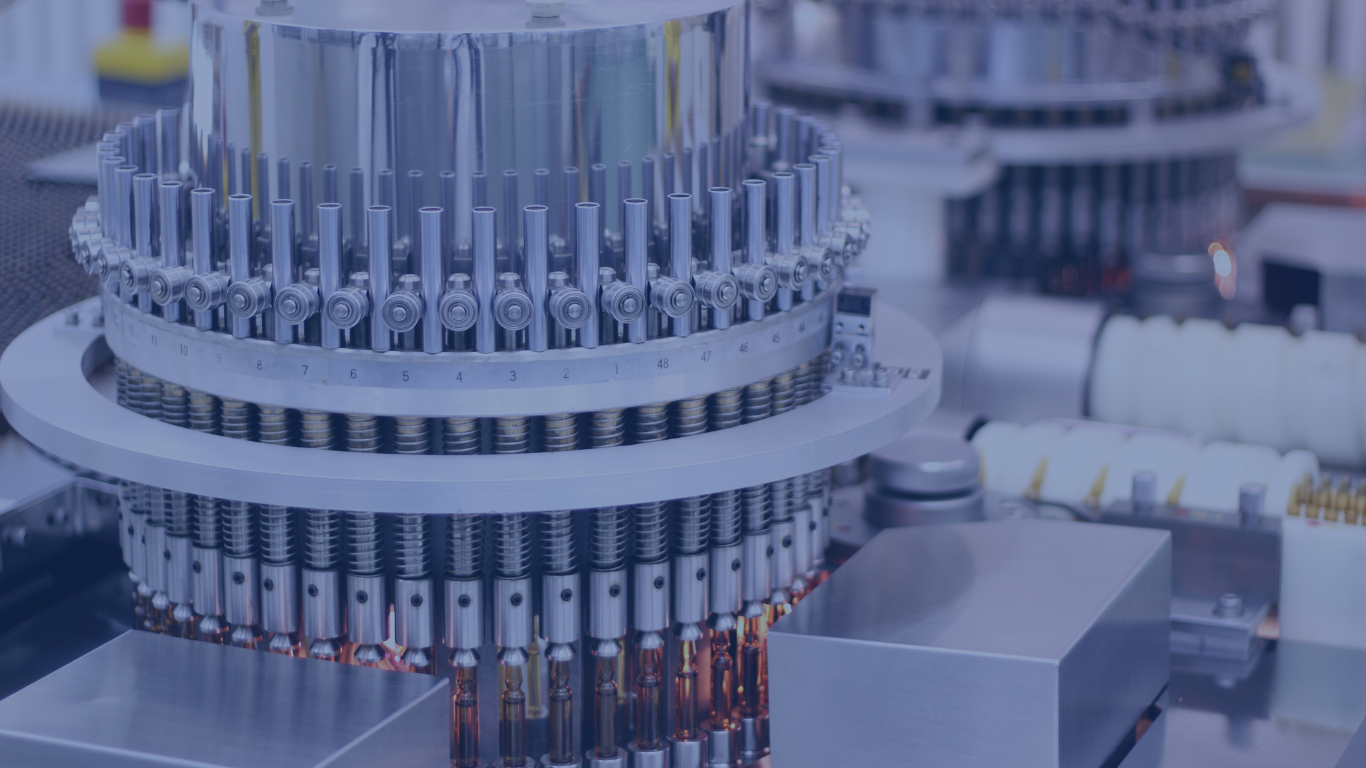
In sterile pharmaceutical manufacturing, visual inspection validation is a critical step to ensure that a batch of product is essentially free of sources of contamination and ready for release for patient use. While it may seem routine, this stage plays a vital role in protecting patient safety, ensuring product quality, and satisfying regulatory expectations. A […]
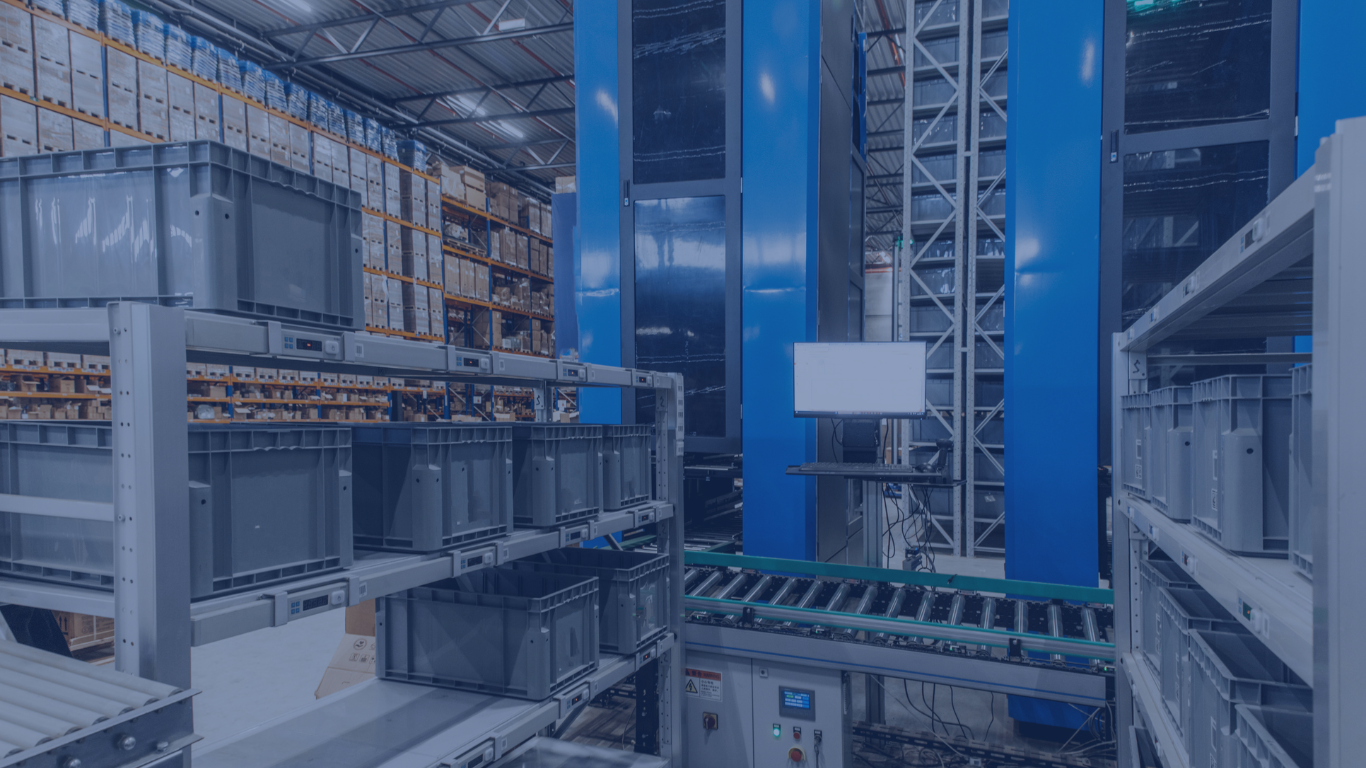
Automated Storage and Retrieval Systems (ASRS) are becoming increasingly common across pharmaceutical, biotechnology, and medical device manufacturing and distribution environments. As organizations scale operations, improve efficiency, and support higher product volumes, ASRS offers clear operational advantages. However, automation does not reduce validation responsibility. In regulated life sciences environments, ASRS introduces new validation, compliance, and data […]
Pharmaceutical manufacturing facilities are under more pressure than ever. Timelines are tighter, regulatory expectations are higher, and the cost of a delayed startup or a failed inspection has never been steeper. In that environment, the CQV engineers responsible for correctly qualifying and validating systems aren’t just project resources. They’re a risk management function. For many […]
If your facility has ever faced a delayed product launch, a failed regulatory inspection, or a costly batch rejection, there is a good chance the root cause traced back to gaps in CQV. With this practical guide, you can build a CQV program that holds up when it matters most. CQV stands for Commissioning, Qualification, […]
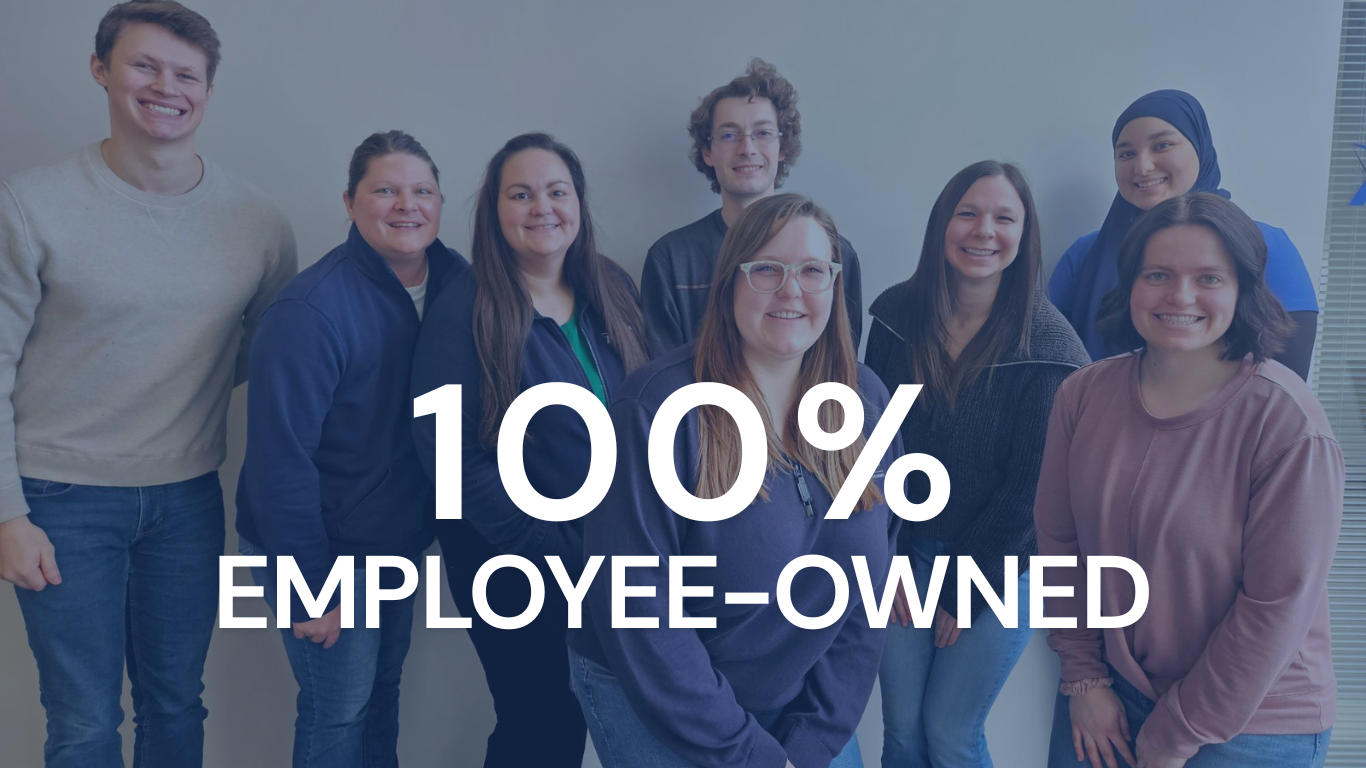
Performance Validation (PV) is a 100% employee-owned company. What does that really mean? Many companies talk about culture, collaboration, and teamwork. But an employee-owned company, specifically an ESOP (Employee Stock Ownership Plan), creates different relationship between employees and the organization. Ownership changes how people think, how decisions are made, and how success is shared. At […]
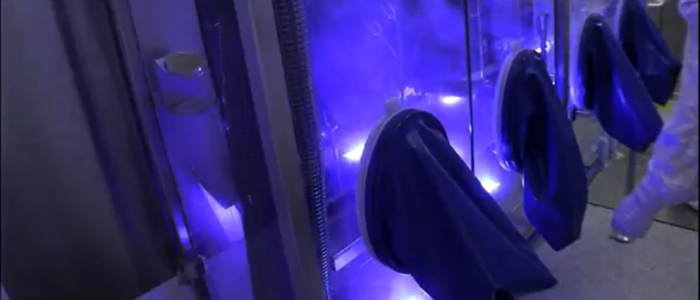
In GMP-regulated manufacturing environments, smoke studies for GMP compliance play a critical role in protecting product quality and patient safety. Airflow is one of the most important environmental controls, and critical airflow visualization remains a foundational requirement for demonstrating effective contamination control. As regulatory expectations evolve and cleanroom designs become more complex, airflow assurance has become more than a routine qualification […]
Why a Structured CQV Approach Benefits Your Manufacturing Operations Commissioning, Qualification, and Validation (CQV) are essential to ensuring the quality, safety, and regulatory compliance of Oral Solid Dosage (OSD) pharmaceutical manufacturing. A well-structured CQV approach minimizes risk, enhances operational efficiency, and ensures faster regulatory approval, giving your business a competitive edge. By implementing the right […]
Pharmaceutical manufacturing operates in an environment where variability is inevitable. Raw materials change, equipment ages, suppliers shift, and manufacturing conditions evolve. Yet despite this variability, drug manufacturers must consistently deliver products that are safe, effective, and compliant with regulatory expectations. This is where quality robustness becomes essential. In pharmaceutical manufacturing, quality robustness refers to the ability of […]
Pharma 4.0 is no longer a roadmap item. For many manufacturers, it’s already a requirement. Regulatory expectations have shifted. Inspection findings increasingly assume digital maturity. Capital investment decisions are being tied to digitalization strategies. And the gap between facilities that have built continuous process visibility into their quality systems and those still operating on batch-oriented, […]
Inside Sales Representative - Jackson brings hands-on validation experience and technical knowledge to his role at Performance Validation. His focus is on understanding client needs, building strong relationships, and connecting customers with the right PV expertise and solutions.
Inside Sales Representative - Jackson brings hands-on validation experience and technical knowledge to his role at Performance Validation. His focus is on understanding client needs, building strong relationships, and connecting customers with the right PV expertise and solutions.