In GMP-regulated manufacturing environments, smoke studies for GMP compliance play a critical role in protecting product quality and patient safety. Airflow is one of the most important environmental controls, and critical airflow visualization remains a foundational requirement for demonstrating effective contamination control.
As regulatory expectations evolve and cleanroom designs become more complex, airflow assurance has become more than a routine qualification activity. Smoke studies now play a critical role in inspection readiness, aseptic process evaluation, and contamination control strategies.
What Is Critical Airflow Visualization (CAV)?
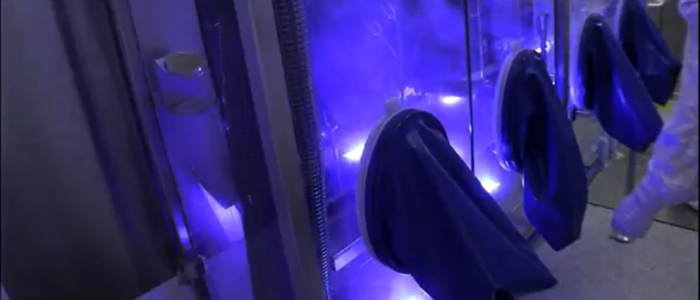
Critical airflow visualization is the process of visually demonstrating airflow patterns within clean and controlled environments using a visible fog medium. Although commonly referred to as smoke studies, no combustion or smoke is involved. Instead, a fog is introduced to trace airflow direction, velocity, and behavior around critical process areas, allowing manufacturers to assess how effectively airflow protects exposed product.
Several fog media may be used during airflow visualization studies, most commonly glycol-based fog and clean water or water for injection (WFI) fog. The choice of fog medium can influence study accuracy and operational risk. Factors such as fog buoyancy, persistence, potential residue, and introduced moisture all affect how representative the airflow patterns appear and how suitable the method is for a given environment. Selecting an appropriate fog medium is therefore an important part of study design, particularly in aseptic and high-risk cleanroom applications.
Because airflow visualization is a visual assessment, studies are typically video recorded. Regulators do not observe these activities live. During inspections, they rely on recorded footage to evaluate airflow performance, interactions between airflow and operator movements, and the effectiveness of aseptic practices. As a result, both the execution of the study and the technical quality of the recorded evidence play a critical role in inspection outcomes.
Why Airflow Assurance Is Essential in GMP Environments
In cleanrooms and controlled manufacturing areas, people are the primary source of airborne contamination. Even with proper gowning and hygiene practices, operators continuously shed particles and microorganisms.
Airflow serves as the primary barrier protecting exposed product from this contamination. Properly designed and verified airflow directs contaminants away from critical zones, prevents turbulence or backflow toward exposed product, and supports consistent aseptic techniques throughout operations. Smoke studies are the primary method used to verify that this airflow protection is functioning as intended.
Regulatory Expectations for Smoke Studies for GMP Compliance
Airflow visualization requirements appear across global regulatory frameworks, including FDA guidance on aseptic processing and EU GMP Annex 1. While terminology varies, regulators consistently expect manufacturers to demonstrate and document airflow performance in clean and aseptic environments. These expectations reinforce the need for traceable, well-executed smoke studies that clearly demonstrate contamination control.
Recent updates to EU GMP Annex 1 have expanded the scope of airflow visualization studies. Instead of focusing only on Grade A zones, manufacturers are increasingly expected to assess Grade B, C, and D areas, evaluate interactions between cleanroom classifications, and observe airflow behavior during operator interventions and material movements. Annex 1 emphasizes evaluation under dynamic conditions, increasing the importance of thoughtful study design and high-quality video documentation. As a result, smoke studies have increased in scope and complexity and are receiving greater scrutiny during inspections.
What Regulators Look for in Smoke Study Videos
During audits and inspections, regulators often spend significant time reviewing smoke study footage. Their review typically focuses on:
- Direction and consistency of airflow
- Protection of critical process areas
- Operator movements and aseptic technique
- Visibility and clarity of airflow patterns
- Data integrity and traceability of recorded studies
Because inspectors rely entirely on video evidence, the quality and completeness of smoke study recordings directly impact inspection outcomes.
Common Misconceptions About Smoke Studies
Despite their importance, smoke studies are sometimes treated as a one-time or routine exercise. Common misconceptions include:
- Viewing smoke studies as a checklist requirement
- Performing informal evaluations without documented protocols
- Assuming studies are only required for filling lines
- Treating airflow visualization as separate from contamination control strategies
Airflow Assurance as Part of a Contamination Control Strategy
When performed thoughtfully, smoke studies provide more than regulatory documentation. The data generated can support cleanroom design optimization, inform placement of environmental monitoring devices, and provide insight into aseptic practices. Over time, airflow visualization results can also support ongoing process improvement and operator training.
Rather than serving solely as inspection artifacts, airflow visualization studies can provide meaningful insight into contamination control performance.
How Performance Validation Supports Airflow Assurance
Performance Validation supports life sciences manufacturers with critical airflow visualization programs designed to meet GMP and Annex 1 expectations while delivering clear, inspection-ready evidence. Through thoughtful study design, precise fog placement, and high-quality video capture, PV helps teams accurately demonstrate airflow performance in even the most complex cleanroom environments. The result is greater confidence in contamination control and audit-ready documentation that stands up to regulatory review.
