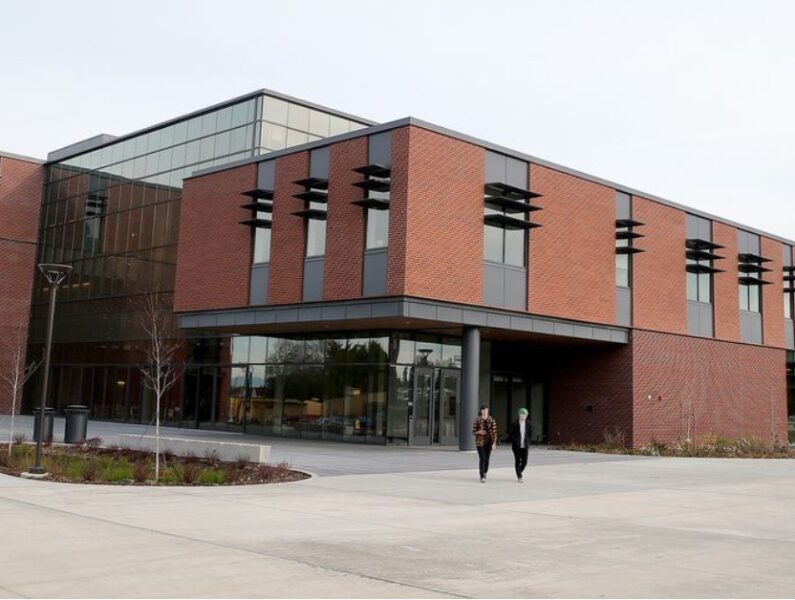
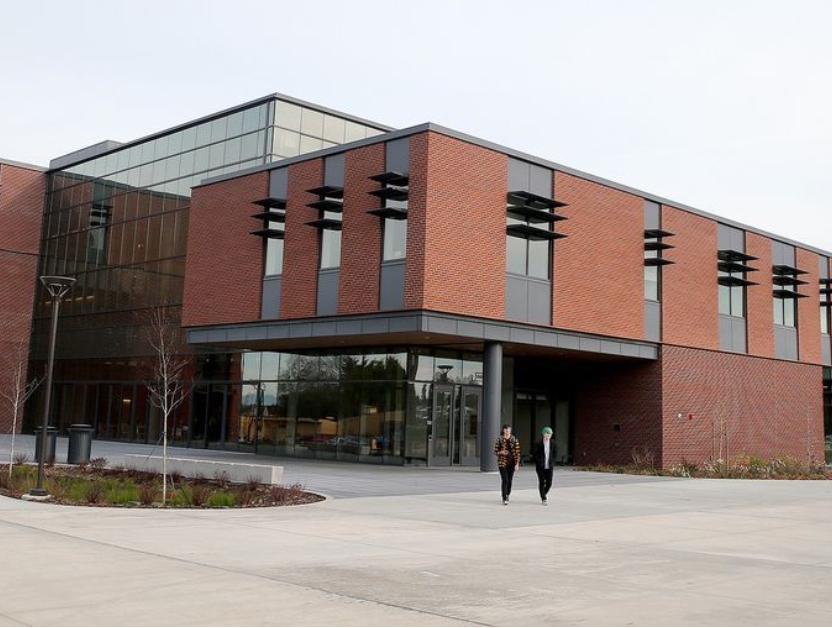
In the sustainable building design and construction industry, Leadership in Energy and Environmental Design (LEED) certification is recognized as a benchmark for high-performance buildings.
In addition, ommissioning plays a critical role in achieving LEED certification by verifying that building systems operate as intended. It helps improve energy efficiency, occupant comfort, and environmental sustainability.
What is LEED Commissioning?
LEED commissioning is a systematic process that verifies building system performance. It helps facilities meet the requirements needed to achieve LEED certification. It involves a series of comprehensive tests, inspections, and documentation to identify and correct deficiencies, optimize energy efficiency, and enhance indoor environmental quality. LEED commissioning is typically performed by qualified commissioning agents or providers. The commissioning agents work closely with the project team to achieve LEED certification goals for the facility at hand.
Key Components of LEED Commissioning
Fundamental Commissioning:
This phase of commissioning focuses on verifying that the building’s systems are installed, calibrated, and operated according to both the owner’s project requirements (OPR) and the basis of design (BOD). It includes reviewing design documents, conducting functional performance testing, and documenting results to ensure that systems meet identified performance criteria.
Enhanced Commissioning
Furthermore, enhanced commissioning builds onto the fundamental process. It includes additional services that maximize building performance and sustainability. This can include developing a detailed commissioning plan, conducting additional verification tests, providing training to building operators, as well as performing post-occupancy reviews to address ongoing performance issues.
Benefits of LEED Commissioning for Building Owners & Developers
Optimized Performance
LEED commissioning helps ensure that building systems operate at peak efficiency, resulting in lower energy consumption, decreased operating costs, and overall improved performance.
Enhanced Comfort & Health
Next, by verifying proper ventilation, temperature control, and indoor air quality, LEED commissioning creates a healthier and more comfortable environment for building occupants.
Increased Durability and Longevity
Through early identification and correction of issues, LEED commissioning supports in extending the lifespan of building systems, reducing the need for costly repairs and potential replacements.
Risk Mitigation
LEED commissioning identifies potential deficiencies early in the construction process. As a result, it reduces performance risks, warranty claims, and costly disputes for building owners and developers.
Demonstrated Commitment to Sustainability
Finally, LEED certification signifies a commitment to environmental responsibility and sustainability, enhancing the reputation and marketability of buildings in the eyes of tenants, investors, and the community.
The LEED Commissioning Process
- Pre-Design Phase: Establish project goals, define commissioning scope, and select a qualified commissioning agent.
- Design Phase: Develop the owner’s project requirements and basis of design documents, integrate commissioning requirements into design documents, and review design for compliance with LEED prerequisites and needed credits for certification.
- Construction Phase: Verify installation and performance of building systems through on-site inspections, functional testing, and documentation of all commissioning activities.
- Post-Construction Phase: Review the commissioning documentation, address any outstanding issues, and provide the final commissioning report to project team and LEED certification authority.
In conclusion, LEED commissioning is a vital process for building owners and developers seeking to achieve high-performing sustainable buildings. By ensuring that systems operate as intended, LEED commissioning maximizes energy efficiency, enhances occupant comfort, and reduces environmental impact. Moreover, LEED certification demonstrates a commitment to excellence and leadership in the field of sustainable design and construction. With a wealth of benefits and a proven track record, LEED commissioning is an essential investment for any building or facility.