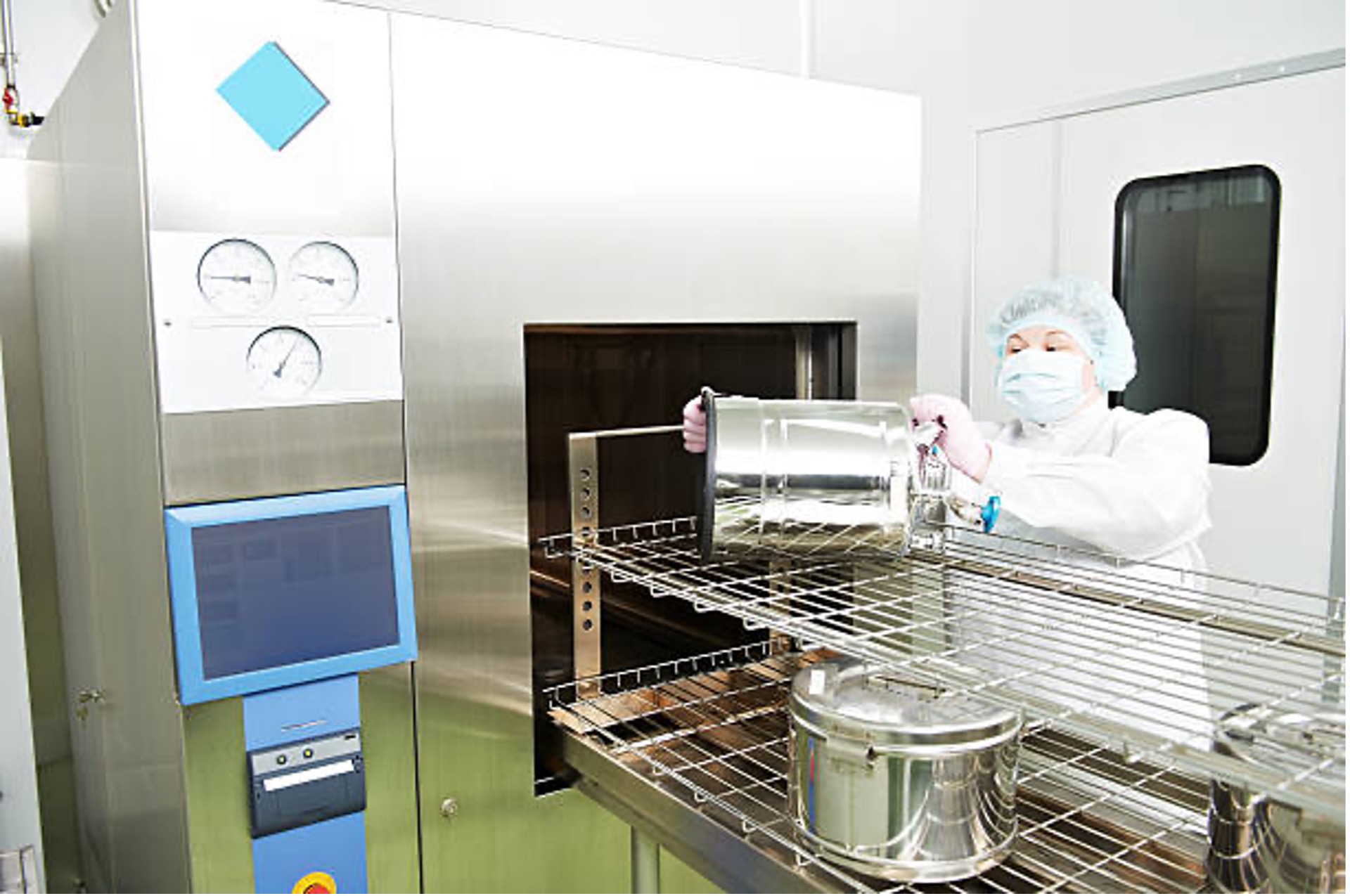
In pharmaceutical manufacturing, packaging is often viewed as the final operational step before distribution—but it’s far more than just labeling and sealing. Packaging plays a vital role in ensuring product integrity, protecting patient safety, and meeting regulatory expectations for providing information to patients including usage instructions, expiration and batch information, and traceability/serialization; protection from accidental misuse such as child resistance; and tamper evidence. When executed poorly, packaging […]
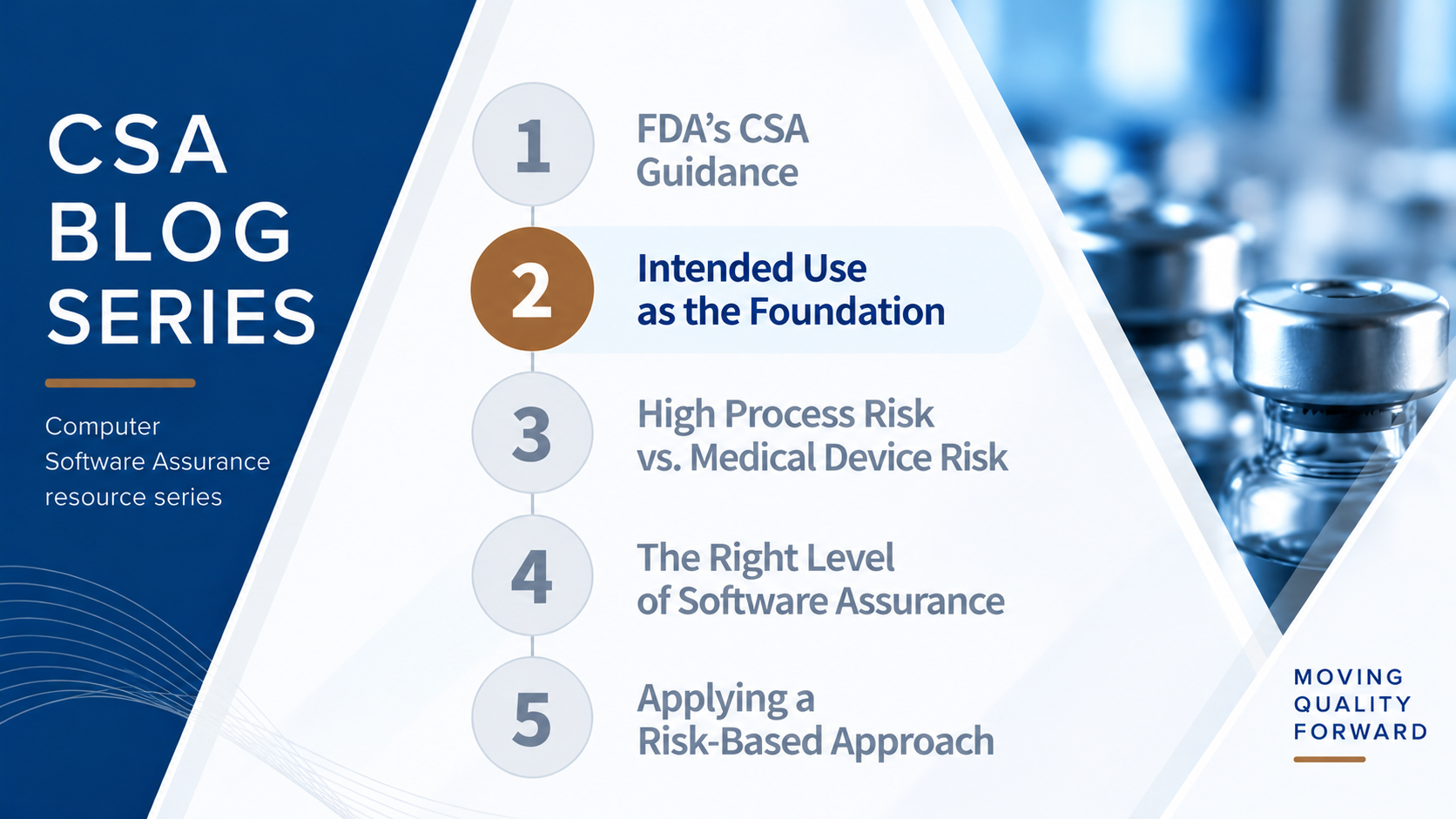
Every successful Computer Software Assurance (CSA) program begins with understanding intended use. Before software risk can be assessed or assurance activities selected, manufacturers must first answer a deceptively simple question: What is the software actually intended to do? It sounds straightforward, but this is where many organizations make their first mistake. Rather than evaluating individual […]
Ask most project teams when equipment validation begins, and they’ll say IQ, once the unit is on-site and ready to install, because that’s when protocols are executed, data is recorded, and sign-offs start accumulating. It’s a reasonable answer; however, it’s also the point at which some teams discover the real work went wrong long before […]
Artificial intelligence is increasingly embedded in digital tools across regulated industries, including validation systems. As organizations explore how AI can improve efficiency and consistency, many teams are also asking an important question: how does AI fit into validation in a way that aligns with regulatory expectations? For quality and validation professionals, the answer is not […]
Most CSV programs will tell you they’ve adopted FDA’s Computer Software Assurance (CSA) guidance. Look at what’s actually getting tested, and the old GAMP 5 category-driven playbook is still running the show. CSA was built to size validation effort to what system risk actually demands. For most programs, the gap between adopting CSA and practicing […]
Most pharma organizations have someone responsible for computer system validation, and that person is usually a general validation engineer who absorbed the scope because someone had to. What most don’t have is a CSV engineer with the software-specific regulatory depth the work actually requires, and that gap shows up in a predictable pattern: data integrity […]
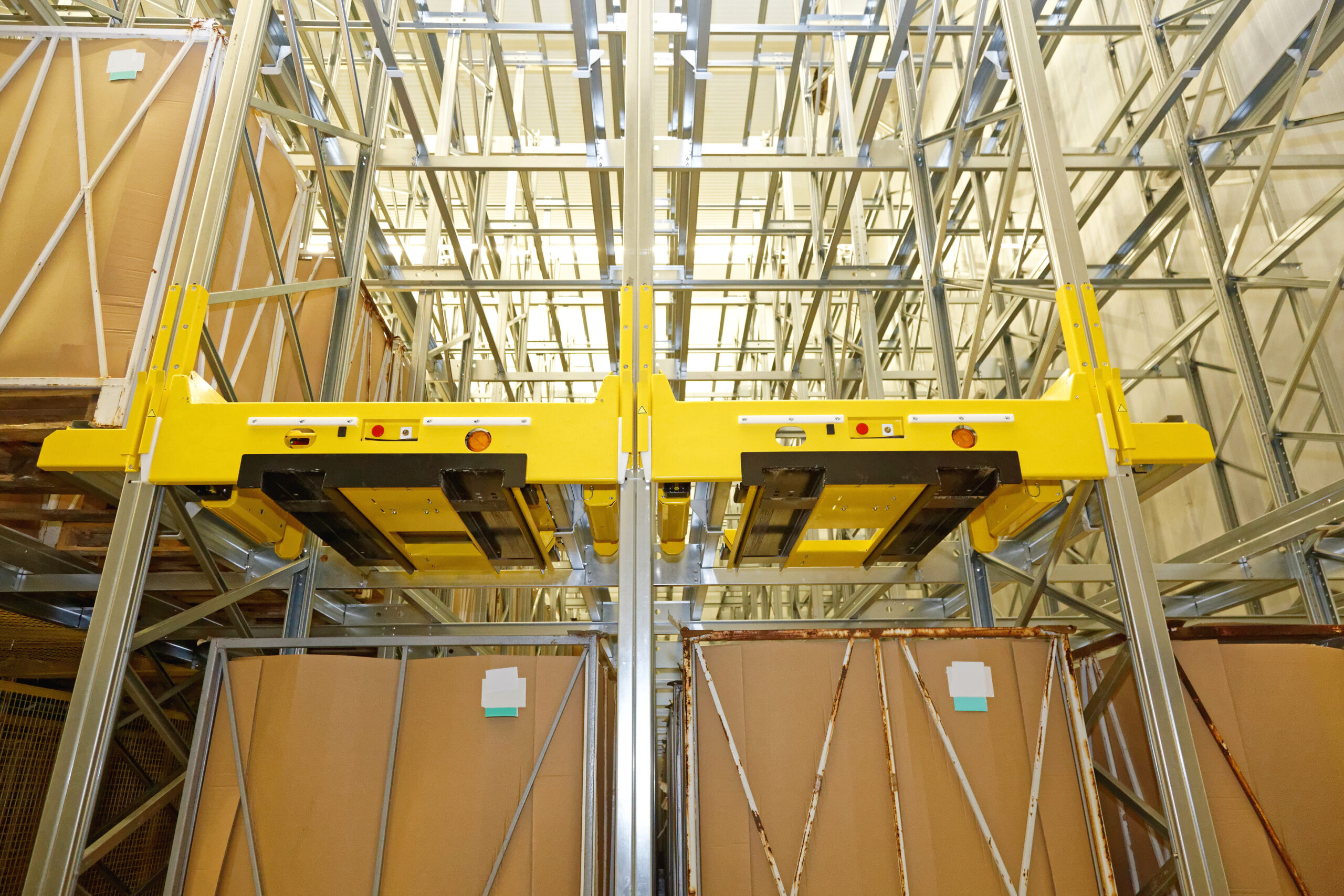
Automated Storage and Retrieval Systems (ASRS) are becoming increasingly common across pharmaceutical, biotechnology, and medical device manufacturing and distribution environments. As organizations scale operations, improve efficiency, and support higher product volumes, ASRS offers clear operational advantages. However, automation does not reduce validation responsibility. In regulated life sciences environments, ASRS introduces new validation, compliance, and data integrity considerations […]
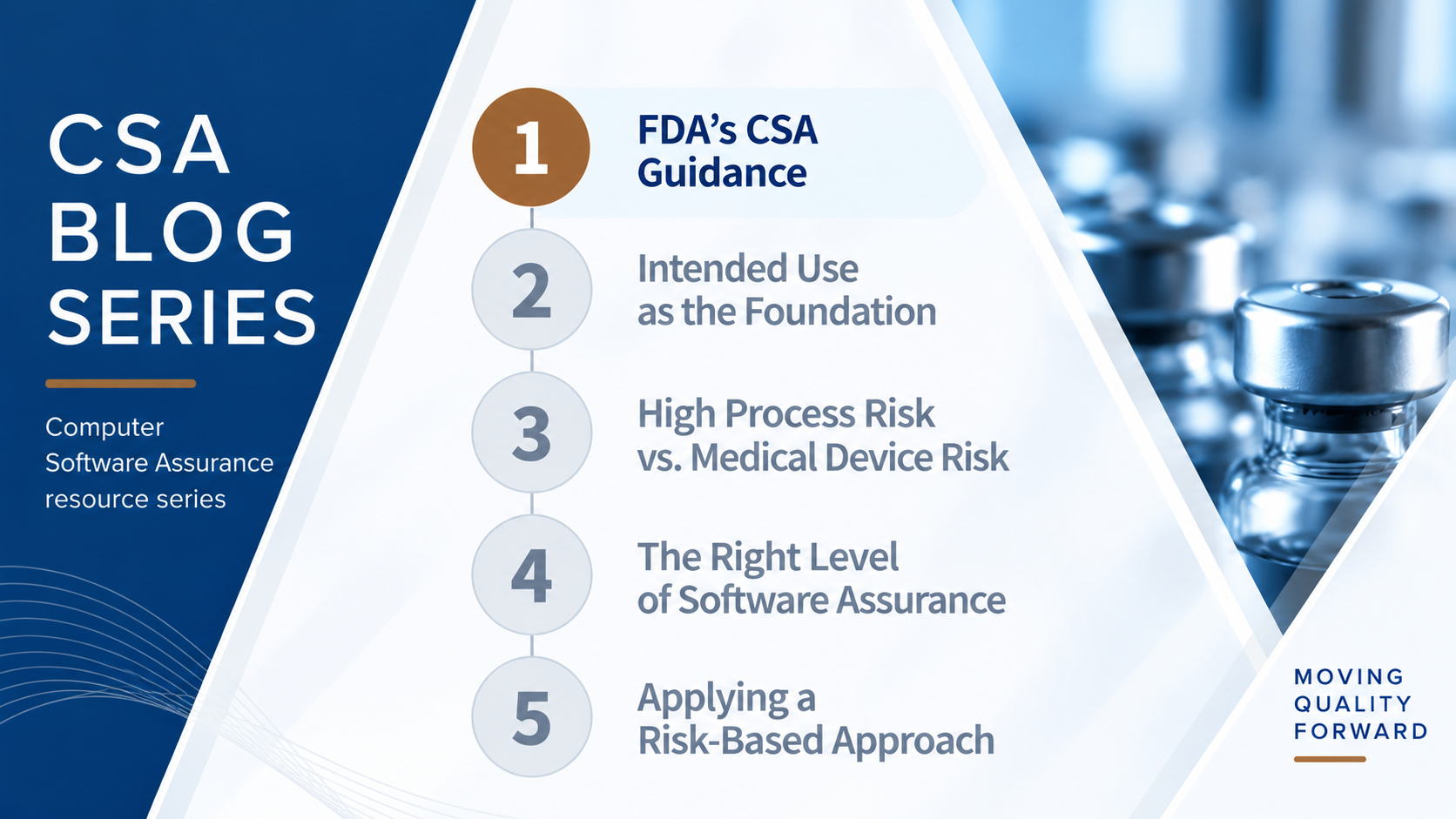
Computer Software Assurance (CSA) Resource Series – Article 1 of 5 Software plays a larger role in medical device manufacturing today than ever before. From production equipment and environmental monitoring systems to quality management systems, electronic records, inspection technologies, and analytics platforms, manufacturers rely on software to support nearly every aspect of production and quality. As technology […]
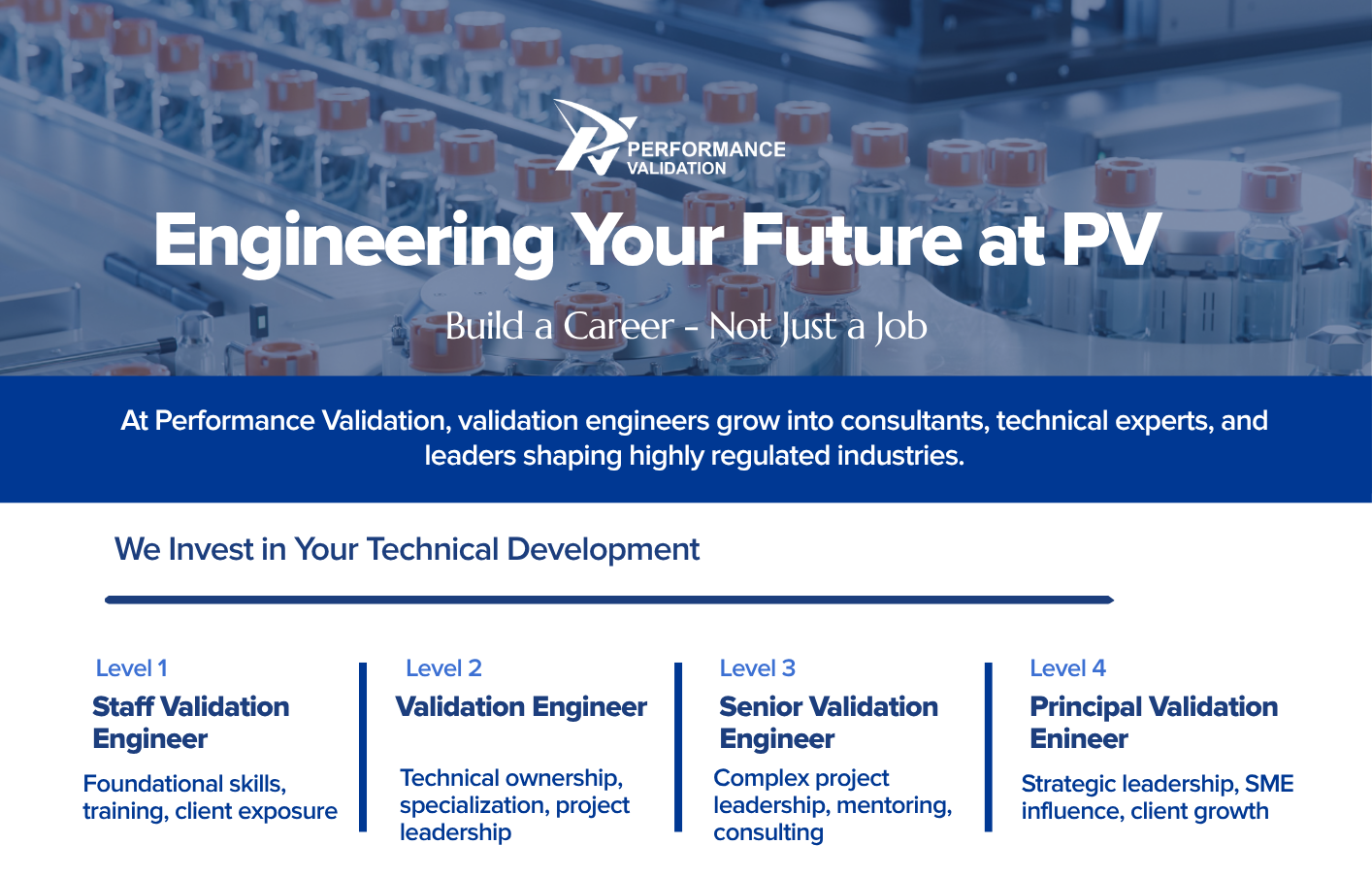
Starting with Curiosity—and a Leap into the Unknown Like many early-career engineers, Alison didn’t begin with a background in pharmaceutical validation. With a mechanical engineering degree and experience in fluid systems and consumer products, the validation field was entirely new to her. What drew her to PV wasn’t technical familiarity—it was trust and culture. A […]
As pharmaceutical supply chains grow more complex, third-party logistics providers (3PLs) are playing an increasingly critical role in product quality and patient safety. Temperature-controlled storage and distribution is no longer viewed as a downstream operational function. It is an extension of the manufacturer’s quality system. For 3PLs, this shift has introduced new expectations, greater scrutiny, and increased involvement in […]
Inside Sales Representative - Jackson brings hands-on validation experience and technical knowledge to his role at Performance Validation. His focus is on understanding client needs, building strong relationships, and connecting customers with the right PV expertise and solutions.
Inside Sales Representative - Jackson brings hands-on validation experience and technical knowledge to his role at Performance Validation. His focus is on understanding client needs, building strong relationships, and connecting customers with the right PV expertise and solutions.